Matter
Before It Takes Shape
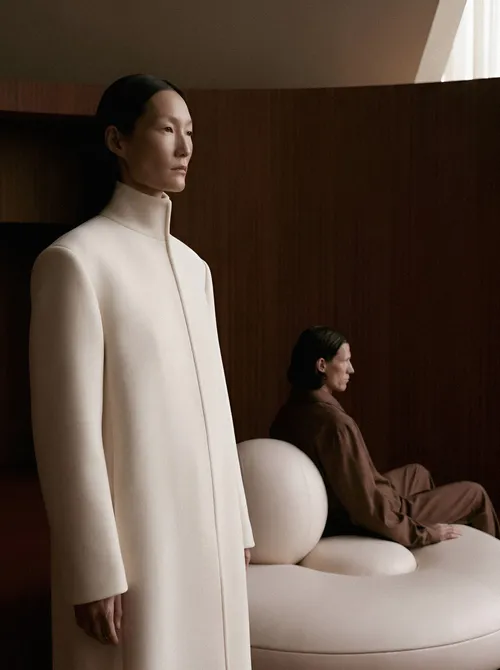
A room of samples and unfinished decisions, where the work begins before it knows what it will become.

Arish explores the spaces we inhabit, the things we make, and the ways we move through the world. Stories on design, culture, and everyday life.
A room of samples and unfinished decisions, where the work begins before it knows what it will become.
A season takes shape in repeated gestures, changing light, and the moments that happen away from the score.
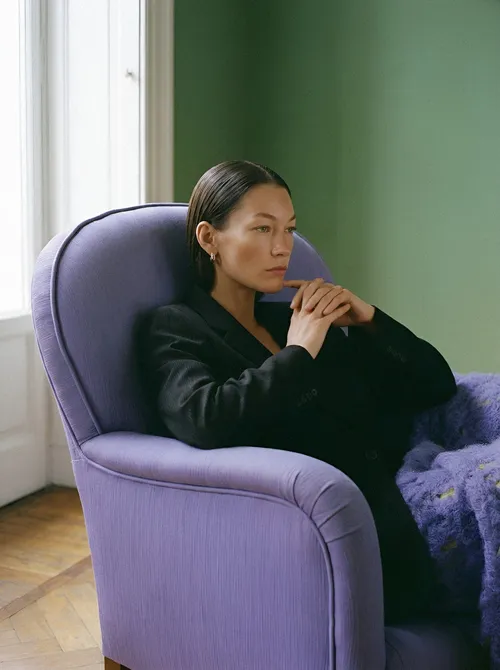
Before the first sound arrives, a record lowered onto a turntable asks for a few practical movements. A sleeve is put somewhere safe, a hand makes a small adjustment, and a chair is pulled into a position that feels useful. The room has begun changing through the way somebody intends to spend time in it.
The same change can happen with a playlist or a single track played from a phone. The source matters to the experience, but the act of giving it attention remains available across different arrangements. There is a difference between music accompanying another task and a few minutes in which listening becomes the task. The furniture may stay exactly where it was while the room acquires another center.
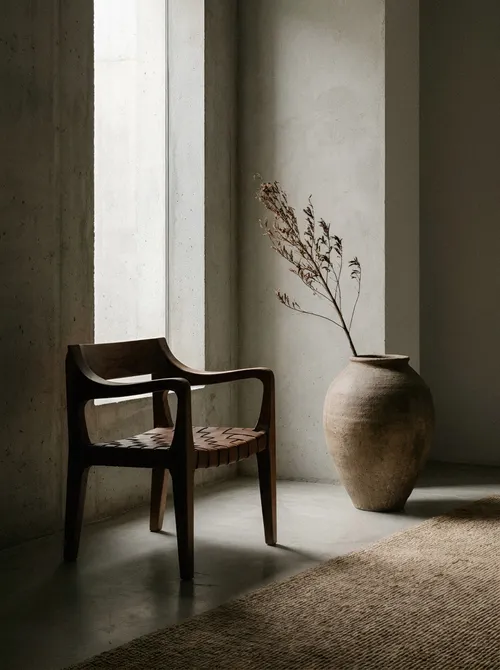
A familiar chair brings knowledge of the body with it. There is a comfortable place for an arm, a way of sitting that leaves the shoulders at ease, a surface nearby for something being held. These ordinary supports are easy to overlook in a photograph of equipment. Yet they help determine whether somebody stays through a piece of music or begins looking for another place to put themselves before it ends.

The view from that position becomes part of the interval. A window may offer enough movement to occupy the eye without competing for the whole of attention. A shelf gives it familiar shapes to return to. Closing the eyes removes those particular relationships and makes another kind of listening possible. The room allows several distances from the same sound, even when the listener has barely moved.
A pause can belong to the music without needing to be filled. The last note leaves a trace that the next beginning will either continue or interrupt. Reaching immediately for another track can make that relationship difficult to hear. Waiting briefly allows the previous piece to finish occupying the room before a new one asks for its attention.
A pause can belong to the music without needing to be filled.
Choosing music for other people introduces the same need for adjustment. An unfamiliar piece may hold interest, or it may create a distance the group does not want at that moment. Watching how attention moves can be more useful than defending the sequence in advance. A selection made for a room can remain open to the room that actually gathers around it.
A room can help by making departure less automatic. When the chair is comfortable and nothing essential is waiting just out of reach, a slower passage need not become a reason to stand. These are modest conditions, but they make a difference to what the listener is free to notice. Attention has fewer practical objections to contend with before the piece can offer its own.

The chair stands at a slightly different angle from the one in which the evening began. Nothing needs putting right immediately. For a moment, a small space beside it remains open, with the room's next sound still some distance away.
Put on a record and stay for a while. A familiar room begins to hold a different kind of attention.
Some mornings are held together by the smallest gestures, repeated until they become a way of being.
What deserves more room? An edit that makes space for attention without erasing the things that hold a life.
A point of view emerges through what we notice, what we return to, and what we choose to leave unsaid.
Take another route, stay a little longer, and let a place become more than its first impression.
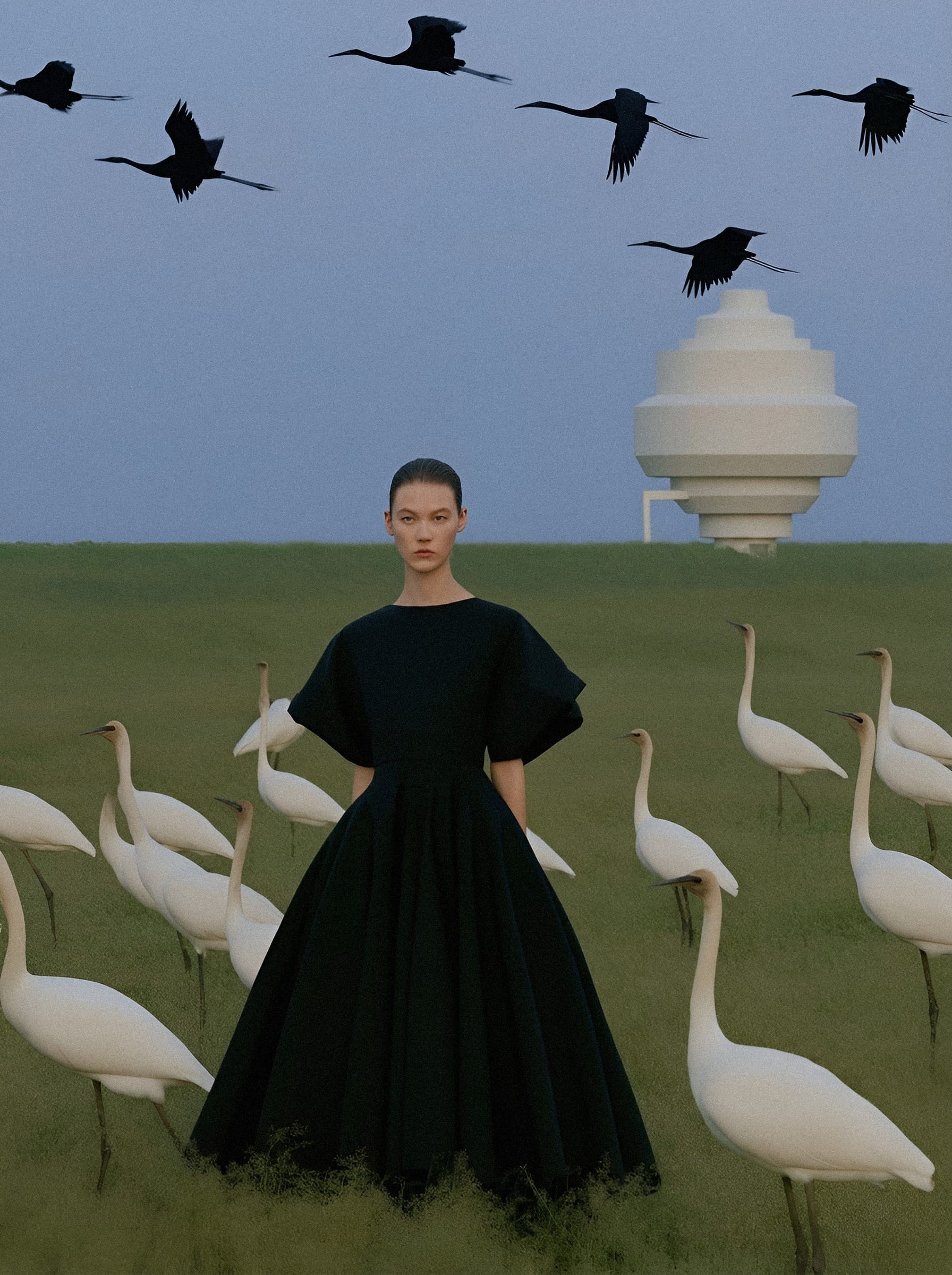
Sail, cloth, and a line of shore. A crossing holds a small distance between leaving and arriving.
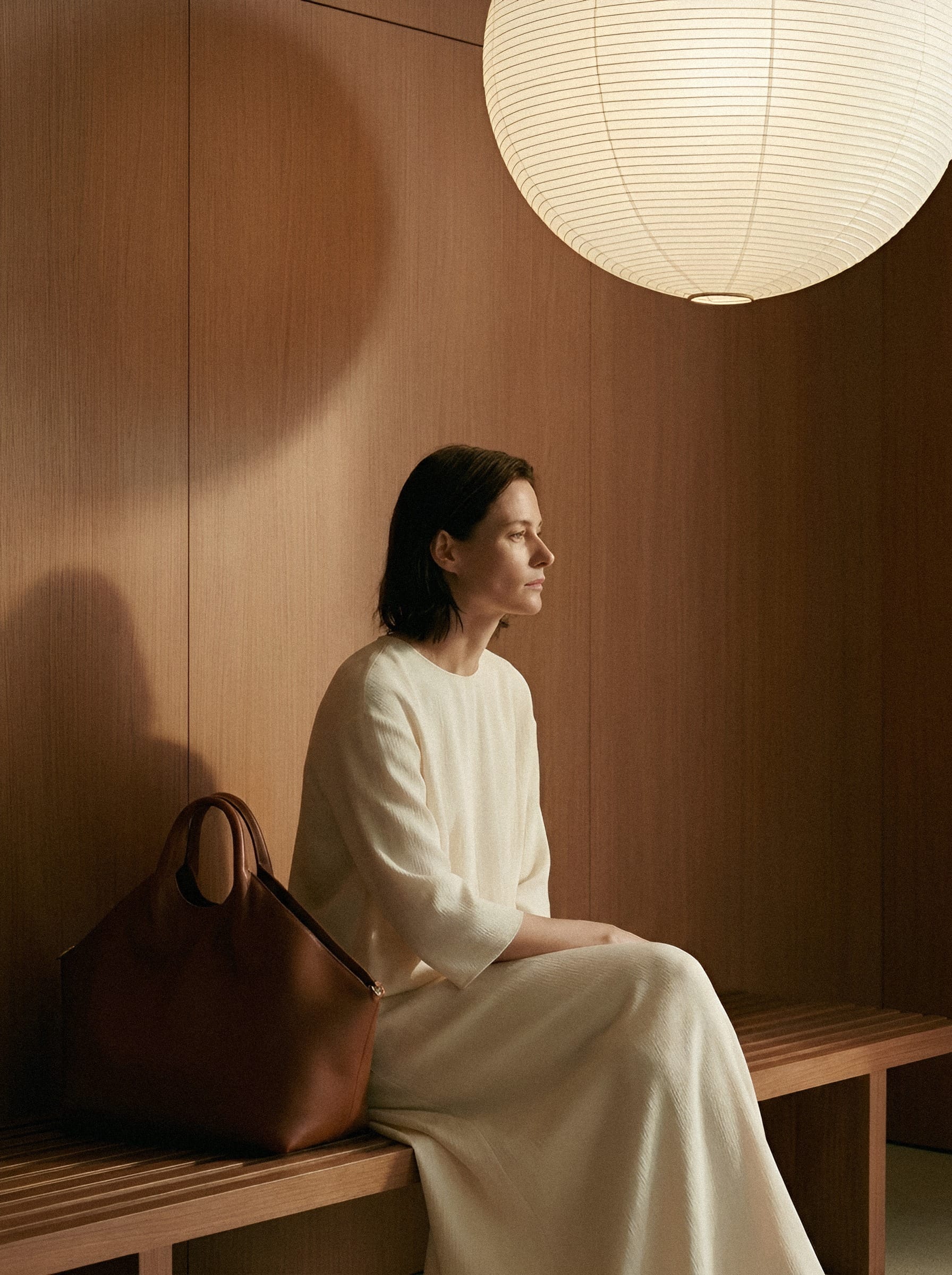
Linen in the light, a familiar gesture, and a gentler way into the day.
An edit begins with attention: what we keep, what we leave out, and what we let speak.
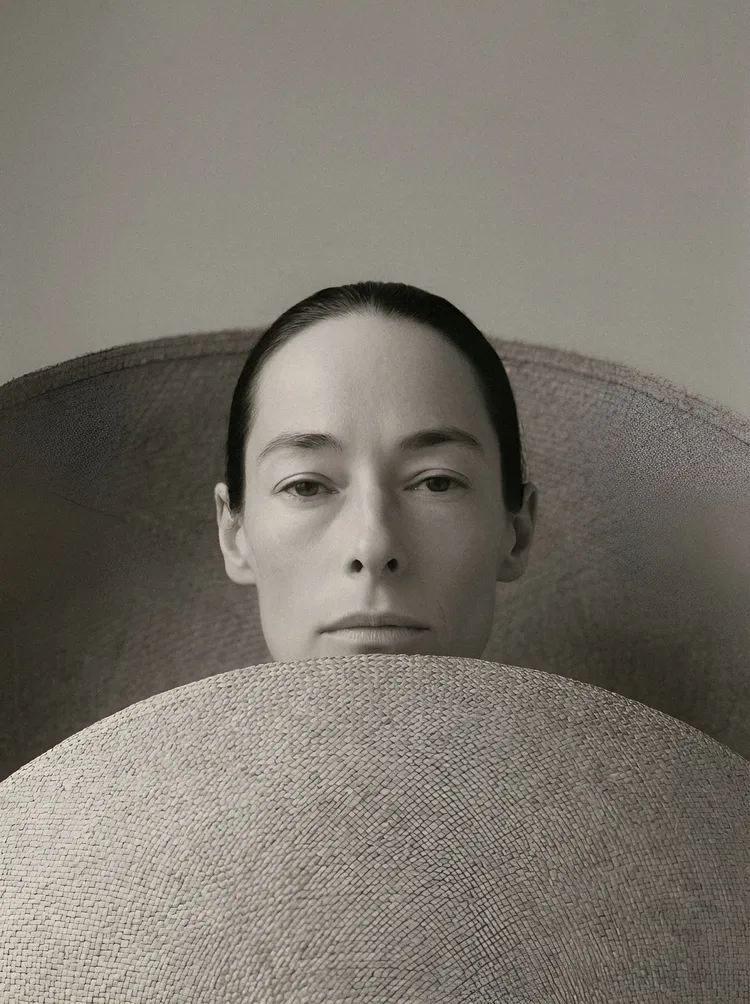
Just after the pose, attention shifts. A portrait can begin in the moment someone stops being ready.